
Introduction
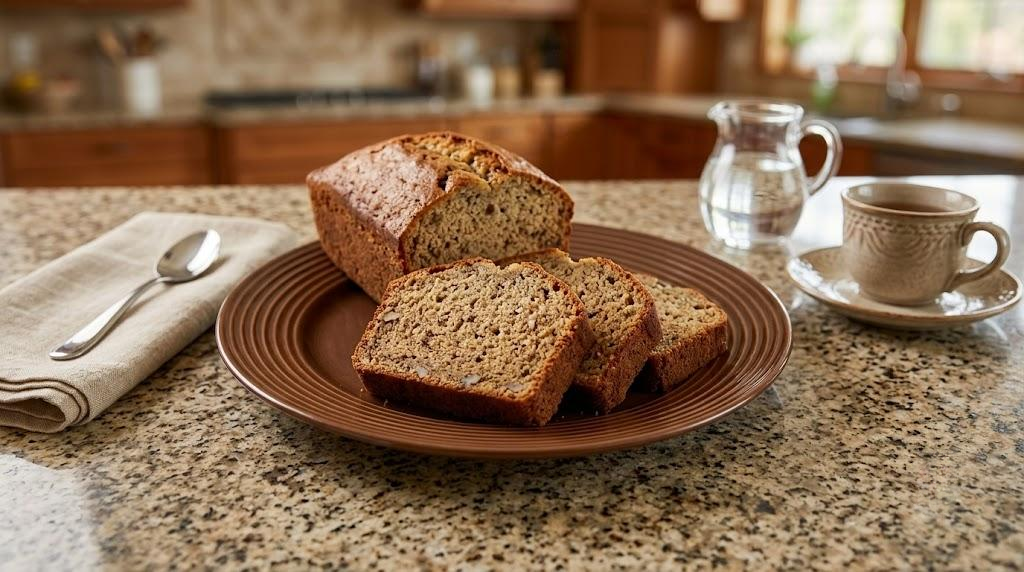
Few baked treats feel as comforting as a warm slice of banana bread fresh out of the oven. It’s easy to make, endlessly customizable, and perfect for breakfast, brunch, or an afternoon snack with tea. This guide walks you through a fully halal banana bread recipe, built from everyday pantry ingredients with no alcohol, no non-halal additives, and no shortcuts on flavor.
Banana bread first became popular as a clever way to use up bananas that had gone too soft to eat on their own, and it has stayed a household favorite ever since. It requires no special equipment, no yeast, and no waiting around for dough to rise — just one bowl, a loaf pan, and about an hour in the oven. That simplicity is exactly why it’s such a popular bake for beginners and experienced bakers alike.
What makes this version special is that every ingredient and every substitution has been checked with halal home bakers in mind. Whether you’re baking for your own family, for guests, or to sell at a halal bake stall, you can follow this recipe with complete confidence that nothing questionable has slipped into the batter.
By the end of this post, you’ll know exactly which ingredients to pick, how to mix and bake for the softest crumb, which mistakes to avoid, how to store your loaf so it stays fresh for days, and how to serve it so it disappears from the table just as fast as it came out of the oven.
Halal Ingredients You’ll Need
The good news: banana bread is naturally halal-friendly. Almost every classic ingredient is permissible — you just need to be a little careful about two or three items that sometimes hide non-halal additives.
Core Ingredients
- Ripe bananas – the riper and spottier, the better. They bring natural sweetness and keep the loaf moist.
- All-purpose flour – gives the bread its structure.
- Sugar – white or brown, both work well; brown sugar adds a deeper, caramel-like flavor.
- Eggs – bind everything together and help the bread rise.
- Baking soda – your leavening agent for a good rise.
- Butter – for richness; choose a halal-certified brand, since some butter blends are processed with animal-derived additives.
- Vanilla extract (alcohol-free) – regular vanilla extract is often alcohol-based, so look for an alcohol-free or halal-certified vanilla extract/essence to keep the recipe fully halal.
Halal-Friendly Add-Ins
- Halal-certified chocolate chips – some chocolate products use non-halal emulsifiers or gelatin-based coatings, so check the label or choose a certified brand.
- Walnuts or pecans – naturally halal, great for crunch.
- Blueberries – fresh or frozen, add a nice fruity contrast.
- Cinnamon – warm, cozy spice that pairs beautifully with banana.
With halal versions of these staples in your kitchen, you’re fully set to bake without worry.
Why Checking Labels Matters
Most people don’t realize that a handful of everyday baking ingredients can quietly contain non-halal elements. Vanilla extract is the biggest one, since the traditional extraction process uses alcohol as a solvent — always reach for an alcohol-free or halal-certified version instead. Chocolate products can sometimes include gelatin-based glazing agents or emulsifiers derived from animal fat, so a halal-certified chocolate chip brand is worth seeking out. Some butter blends and margarines are also processed with animal-derived enzymes, which is why choosing a halal-certified butter or plant-based alternative gives you extra peace of mind. Taking two minutes to read the ingredient label before you buy is the simplest way to keep your entire loaf halal from start to finish.
Equipment You’ll Need
- A large mixing bowl and a smaller bowl for dry ingredients
- A whisk or electric hand mixer
- A 9×5-inch loaf pan
- A rubber spatula for folding
- A wire cooling rack
- A toothpick or skewer to test doneness
None of this is specialized equipment — if you’ve baked a cake before, you already have everything you need.
Step-by-Step Method
1. Prep Your Bananas and Dry Ingredients
Mash your ripe bananas in a bowl until smooth — the darker the peel, the sweeter and more flavorful they’ll be. If your bananas aren’t ripe enough yet, place them (unpeeled) on a tray in the oven at around 150°C (300°F) for 10–15 minutes until the skins turn dark and soft.
In a separate bowl, sift together the flour, baking soda, and a pinch of salt. Sifting keeps the batter lump-free and helps the baking soda distribute evenly for a consistent rise.
2. Mix the Batter
Cream the butter and sugar together until light and fluffy — this traps air in the batter, which helps the loaf rise nicely. Beat in the eggs one at a time, then stir in the mashed bananas and your alcohol-free vanilla extract.
Gently fold the dry ingredients into the wet mixture. Don’t overmix — stop as soon as the flour streaks disappear. Overmixing develops the gluten too much and leads to a dense, tough loaf instead of a soft one.
If you’re adding chocolate chips, nuts, or blueberries, fold them in now.
3. Bake
Pour the batter into a greased 9×5-inch loaf pan and smooth the top. Bake at 175°C (350°F) for 60–65 minutes, or until a toothpick inserted into the center comes out clean. Ovens vary, so start checking around the 55-minute mark.
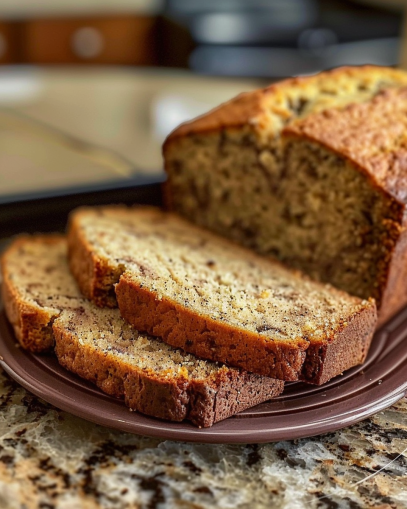
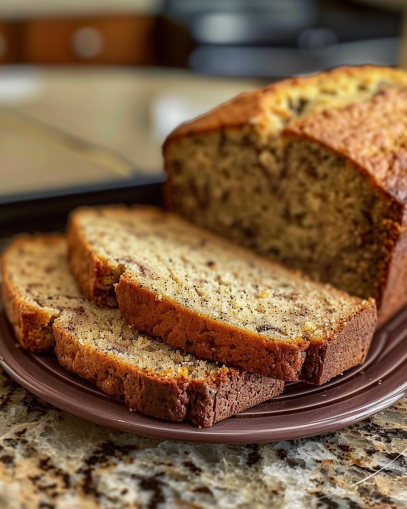
Let the loaf cool in the pan for 10 minutes, then transfer it to a wire rack to cool completely before slicing. Cutting into it too early can make the crumb look gummy even when it’s fully baked, so patience really does pay off here.
A Note on Oven Temperatures
Every oven runs a little differently, so treat the baking time as a guide rather than a rule. If the top of your loaf is browning too quickly but the center is still wet, loosely tent it with foil for the last 15–20 minutes so it can finish cooking through without burning on top. A metal loaf pan tends to bake faster and give crisper edges than a glass or ceramic one, so if you’re using glass, add a few extra minutes and check often.
Tips for a Moist, Fluffy Loaf
- Use very ripe bananas — the natural sugars and softness are what keep the bread moist. Under-ripe bananas make for a drier loaf.
- Don’t overmix — mix just until combined for a tender crumb.
- Add moisture boosters — swapping part of the butter for halal-certified yogurt, sour cream, or applesauce makes the bread even softer.
- Measure your flour correctly — spoon the flour into your measuring cup and level it off with a knife instead of scooping directly from the bag. Scooping packs in extra flour, which can dry out the loaf.
- Let the batter rest for a few minutes before baking. This gives the flour a chance to hydrate fully, which helps the crumb bake up softer and more even.
- Check for doneness a few minutes early — pulling the loaf out the moment the toothpick comes out clean (or with a few moist crumbs) prevents overbaking, which is one of the most common reasons banana bread turns out dry.
Delicious Variations to Try
- Chocolate Chip Banana Bread – fold in a cup of halal-certified chocolate chips, with a few extra sprinkled on top before baking.
- Nutty Banana Bread – toss chopped walnuts or pecans in a little flour (to stop them sinking) before folding them into the batter.
- Cinnamon Swirl Banana Bread – layer the batter with a cinnamon-sugar mix and swirl gently with a knife for a marbled, spiced loaf.
- Date and Honey Banana Bread – fold in chopped, pitted dates and swap part of the sugar for honey for a naturally sweet, Middle-Eastern-inspired twist.
- Coconut Banana Bread – stir in shredded halal-certified desiccated coconut for a light, tropical flavor and a bit of extra texture in every bite.
- Cardamom and Pistachio Banana Bread – add a pinch of ground cardamom to the batter and top the loaf with chopped pistachios before baking for a fragrant, nutty finish that pairs beautifully with chai.
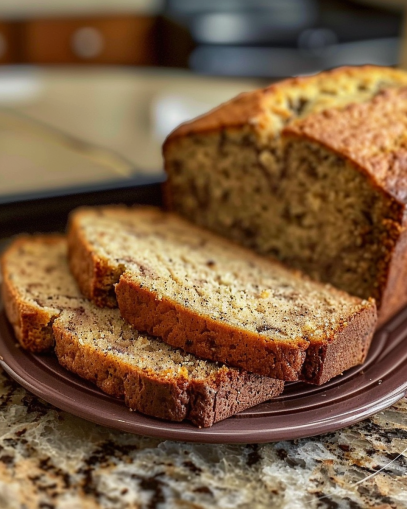
How to Store Your Banana Bread
- Room temperature: Wrap tightly in plastic wrap or store in an airtight container. Keeps fresh for 3–4 days.
- Refrigerator: Wrap well and store in an airtight container for up to 1 week.
- Freezer: Cool completely, wrap in plastic wrap and then foil (or slice first for easy portions), and freeze for up to 3 months. Thaw at room temperature or warm briefly in the microwave.
Frequently Asked Questions
Can I use frozen bananas? Yes — frozen bananas actually become even easier to mash once thawed. Peel them before freezing, and thaw at room temperature or in the microwave when you’re ready to bake.
Why did my banana bread turn out dense? The most common cause is overmixing the batter, which overdevelops the gluten. Using too many bananas can also add excess moisture. Measure carefully and mix gently for a lighter crumb.
How can I make it healthier? Swap some butter for unsweetened applesauce or halal-certified yogurt, use whole wheat flour for extra fiber, or sweeten with honey or maple syrup instead of refined sugar.
Is banana bread always halal? Not automatically — it depends on the exact brands you use. The recipe itself is naturally halal-friendly, but always double-check your vanilla extract (for alcohol), chocolate chips (for animal-derived emulsifiers or gelatin coatings), and butter or margarine (for animal-derived processing agents). Choosing halal-certified versions of these three ingredients is all it takes to keep the whole loaf fully halal.
Can I make this recipe eggless? Yes. Replace each egg with a quarter cup of mashed banana, a quarter cup of halal-certified yogurt, or a flax egg (one tablespoon of ground flaxseed mixed with three tablespoons of water, left to thicken for a few minutes). The texture will be slightly denser but still moist.
Why did my bread sink in the middle? This usually happens if the loaf is underbaked, if too much baking soda was used, or if the oven door was opened too early during baking. Bake until a toothpick comes out clean and try to resist checking on it in the first 40 minutes.
Can I make banana bread muffins instead of a loaf? Absolutely. Divide the batter into a lined muffin tin and reduce the baking time to about 20–25 minutes, checking with a toothpick for doneness.
Serving Ideas
- Warm with butter – toast a slice and spread with butter for a simple, comforting snack.
- With coffee or tea – pairs especially well with chai, cinnamon-spiced coffee, or green tea.
- Topped with cream cheese or nut butter – for an indulgent treat, spread a halal-certified cream cheese or almond/peanut butter on top, with an optional drizzle of honey.
Conclusion
This halal banana bread recipe proves you don’t have to compromise on flavor, texture, or peace of mind. With ripe bananas, halal-certified staples, and a few simple techniques, you can bake a moist, fluffy loaf every single time — perfect for sharing with family or enjoying with your evening chai.
Key takeaways:
- Ripe bananas and gentle mixing are the two biggest factors behind a soft, moist crumb.
- Always choose alcohol-free vanilla extract and halal-certified butter and chocolate to keep the recipe fully halal.
- The base recipe is flexible enough to support dozens of variations, from date and honey to cardamom and pistachio.
- Proper storage — room temperature, fridge, or freezer — lets you enjoy your loaf for days or even months after baking.
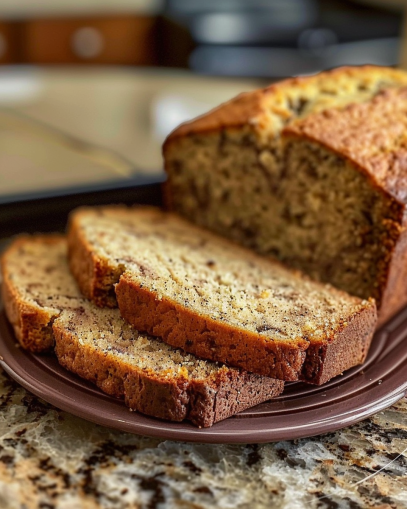
Whether this is your first loaf or your fiftieth, this recipe gives you a reliable, halal-friendly base you can return to again and again. Grab your ripest bananas and get baking!